




Image
Product
Price
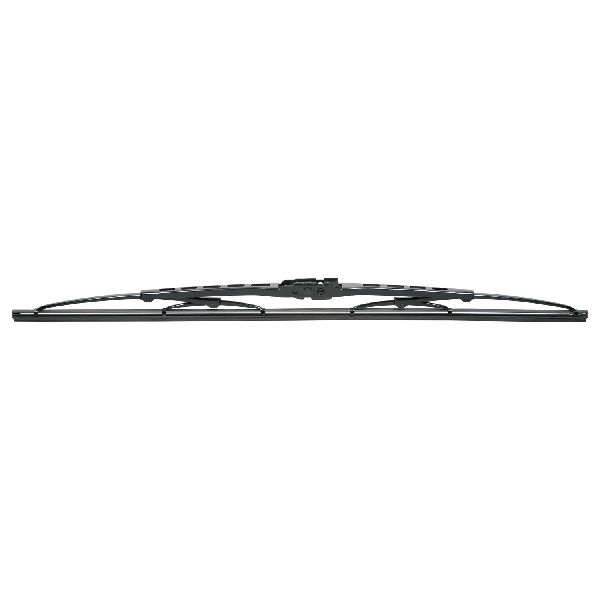
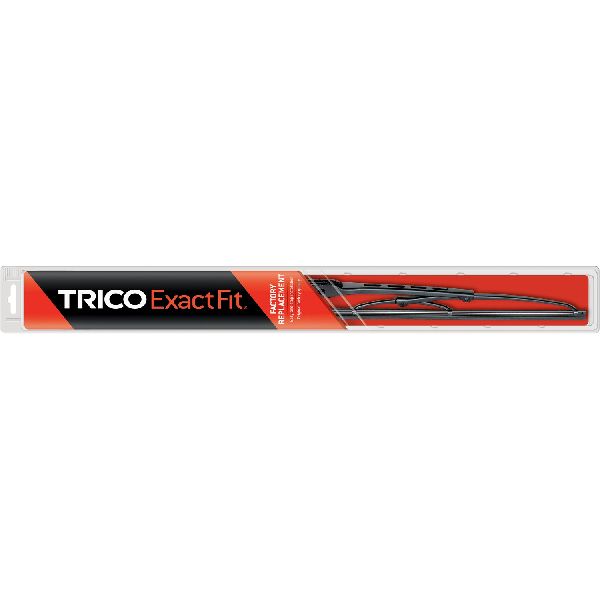

- 19" TRICO Exact Fit Wiper Blade
- 9mm Hook, 9x4 Hook, 3/16" Side Lock
- TRICO Exact Fit
- Provides original factory quality for vehicles with metal conventional wipers
Additional Fitment Information:
| Vehicle | Position |
|---|---|
| 1990 - Sterling 827 | Rear |
- 19" TRICO Exact Fit Wiper Blade
- 9mm Hook, 9x4 Hook, 3/16" Side Lock
- TRICO Exact Fit
- Provides original factory quality for vehicles with metal conventional wipers
Additional Fitment Information:
| Vehicle | Position |
|---|---|
| 1987 - Sterling 825 | Front |
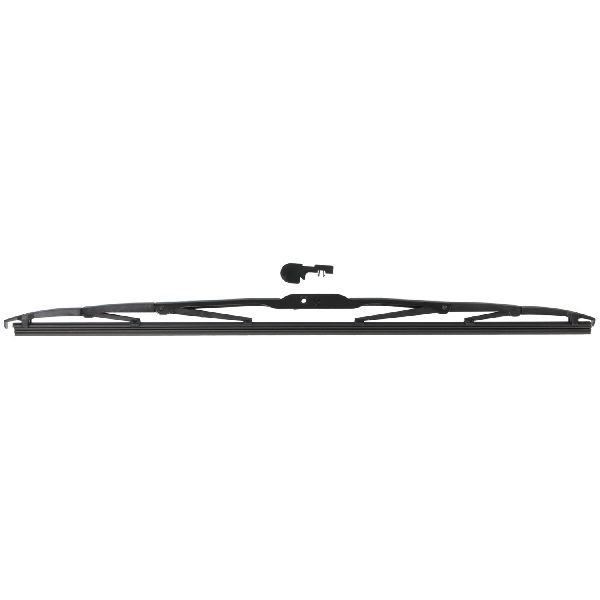



- ANCO Conventional 31 Series Wiper Blades 19
- Original Blade Type
- ANCO 31-Series Wiper Blade (Pack of 1)
- 31-Series
- Product Attributes:
- Adapters Required: No
- Pressure Point Quantity: 6
- Adapters Included: Yes
- Frame Color: Black
- Wiper Blade Connection Type: J-hook: 9x3mm, 9x4mm; Classic Side-pin: 3/16"
- Blade Material: Duraklear - Natural Rubber
- Frame Material: Metal; Plastic
- Blade Type: Conventional/bridge
- Refillable: Yes
- The 31-Series KwikConnect wiper blade boasts reliable wiper performance.
-
Suggested Purchase Quantity: 2
- Most jobs typically require 2 of this item.
This Part Fits the Following OEM/Substitute Numbers:
19-1, 19-2, 19-3, 19-51, 19-52, 19-53, 19-57, 19-59, 19-7, 19-9, 3145NPR-L, 359-192, 359-205, 3718, 38-190, 38-191, 39-192, 39-205...VIEW MORE
Additional Fitment Information:
| Vehicle | Position |
|---|---|
| 1988 - Sterling 825 | Front |
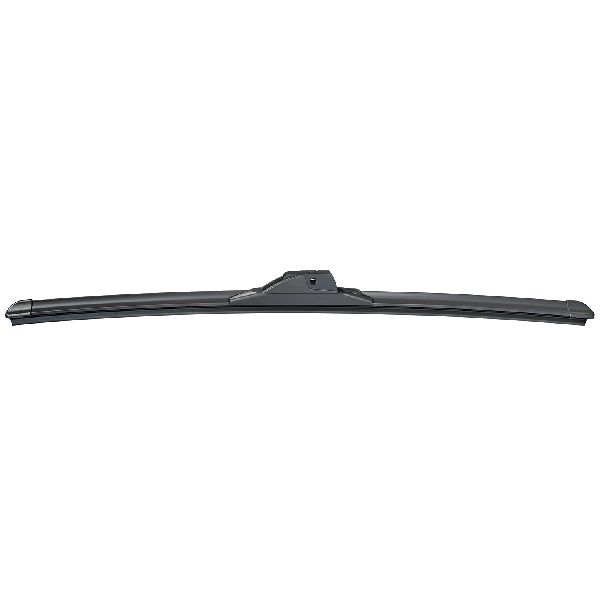
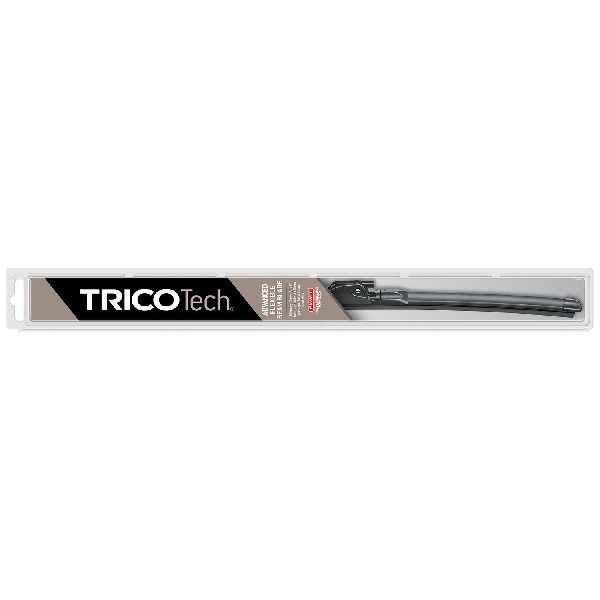
- 19" TRICO Tech Beam Blade
- 9mm Hook, 9x4 Hook, 3/16" Side Lock, 7mm Bayonet, Side Pin (22mm), Side Pin (17mm), Pinch Tab, Push Button (22mm), Push Button (19mm)
- TRICO Tech
- All-weather durability
Additional Fitment Information:
| Vehicle | Position |
|---|---|
| 1989 - Sterling 827 | Rear |
- 19" TRICO Tech Beam Blade
- 9mm Hook, 9x4 Hook, 3/16" Side Lock, 7mm Bayonet, Side Pin (22mm), Side Pin (17mm), Pinch Tab, Push Button (22mm), Push Button (19mm)
- TRICO Tech
- All-weather durability
Additional Fitment Information:
| Vehicle | Position |
|---|---|
| 1989 - Sterling 827 | Front |
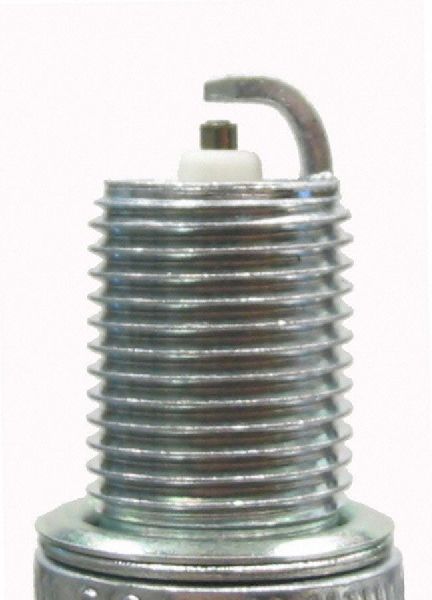
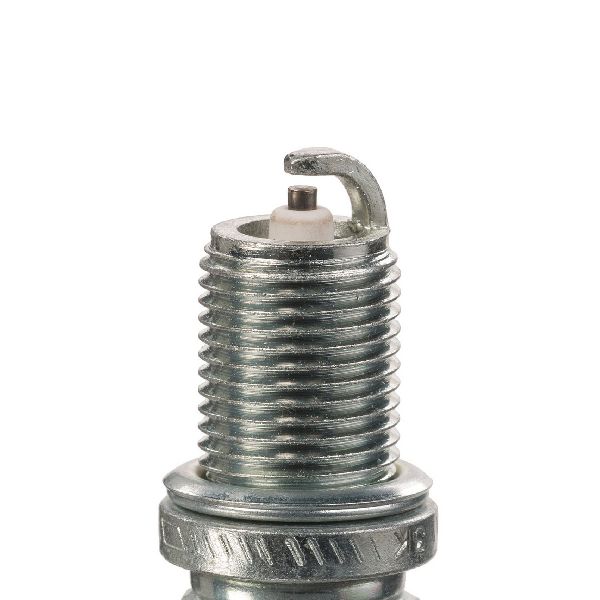
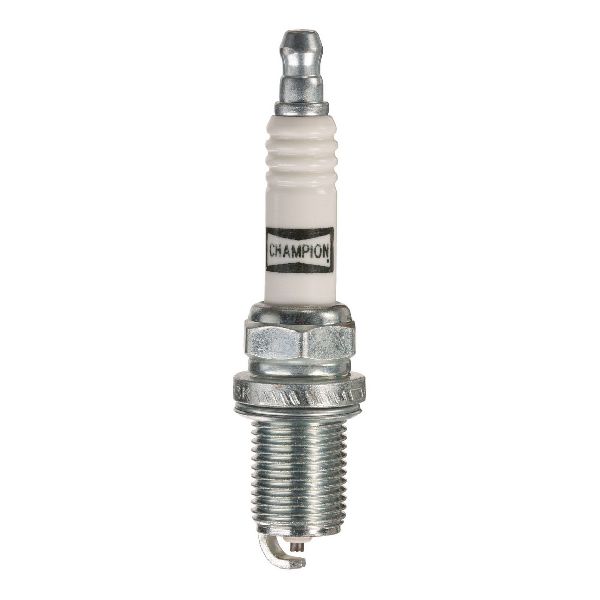
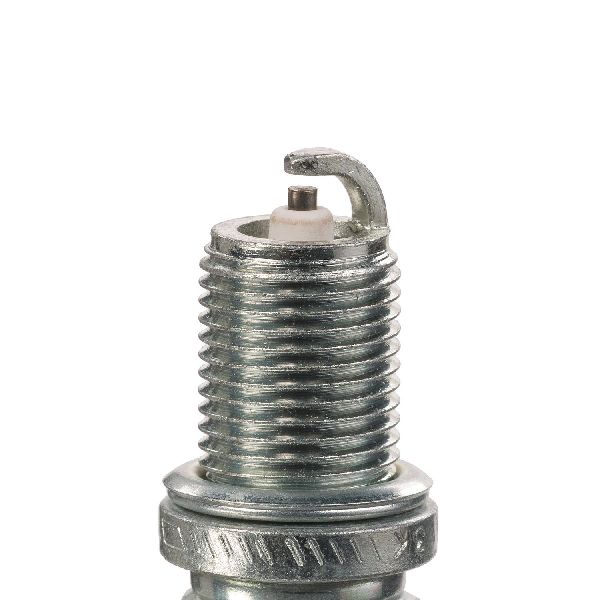
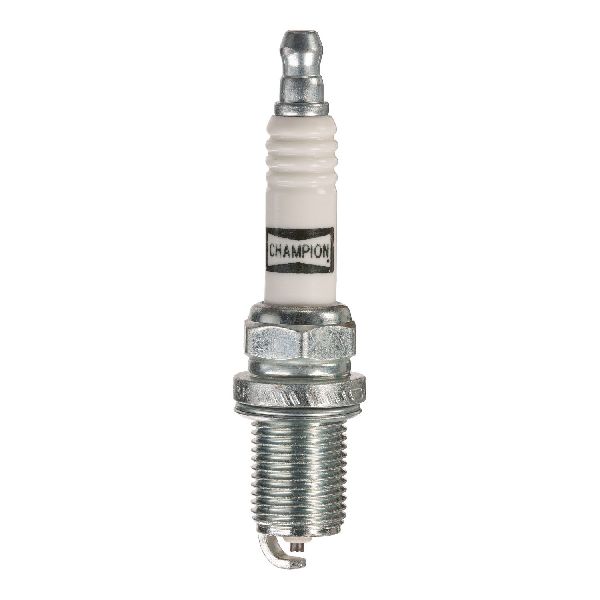

- Champion Platinum Power - Boxed - RC12PYC
- Gap 0.044in; Plug Type RC12PYC
- Champion Platinum Power 3071 Spark Plug (Carton of 4)
- Platinum Power
- Product Attributes:
- Hex Size:
- 0.625
- 15.880
- Reach: 0.75
- Center Electrode Tip Material: Platinum
- Seat Type: Flat
- Electrical Terminal Type: Non-removable Nut
- Pre-Gap Size:
- 0.035
- 0.89
- Classification: Champion Platinum Power
- Ground Electrode Core Material: Nickel
- Insulator Height: 0.06
- Resistor Type: Yes
- Plug Type: Rc12pyc
- Hex Size:
- Champion® Platinum Power™ spark plugs deliver powerful performance. Made from exclusive Heat-Active™ alloy, a fine-wire center electrode and V-trimmed ground electrode provides sharp spark focus.
-
Suggested Purchase Quantity: 8
- Most jobs typically require 8 of this item.
This Part Fits the Following OEM/Substitute Numbers:
2513212S, 4002, 4030, 4312, 5, 5066, 696202, 7092, 8001, 8002, 8007, 8013, 8692071-0, 8692072-0, 9, BKR5EGP, BKR5EIX11, BKR6EYA...VIEW MORE
Additional Fitment Information:
| Vehicle | Block | CC | Engine | CID |
|---|---|---|---|---|
| 1990 - Sterling 827 | V | 2675 | 6 Cyl 2.7L | - |
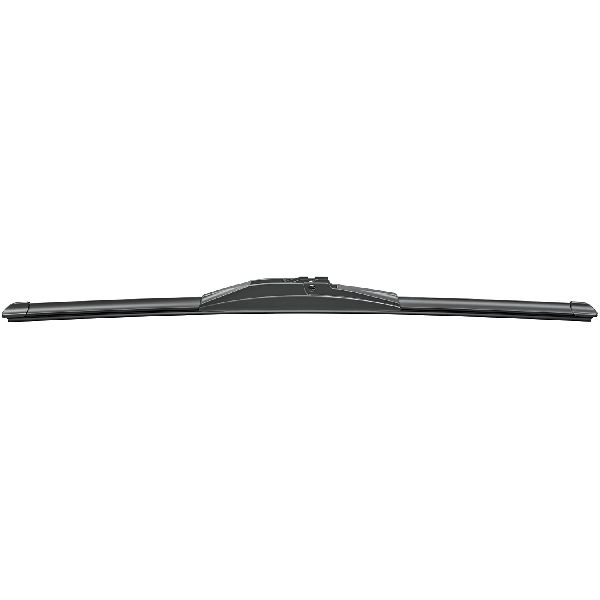
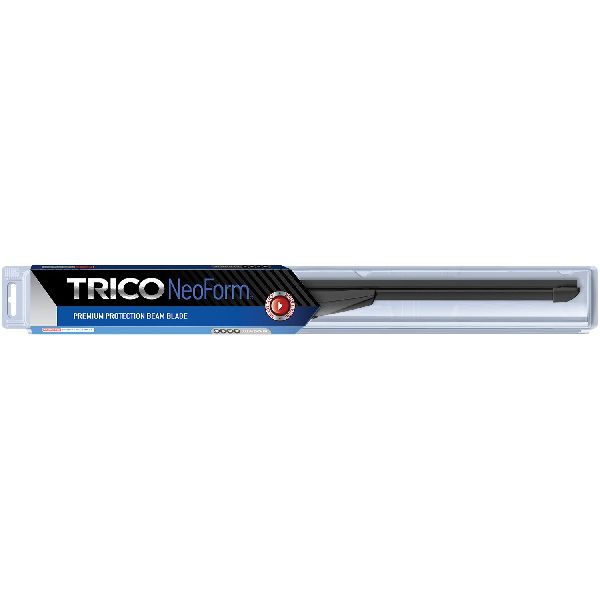
- 19" TRICO NeoForm Beam Blade
- 9mm Hook, 9x4 Hook, 3/16" Side Lock, 7mm Bayonet
- TRICO NeoForm
- Exclusive dual-point coupler helps eliminate streaking
Additional Fitment Information:
| Vehicle | Position |
|---|---|
| 1990 - Sterling 827 | Rear |
- 19" TRICO NeoForm Beam Blade
- 9mm Hook, 9x4 Hook, 3/16" Side Lock, 7mm Bayonet
- TRICO NeoForm
- Exclusive dual-point coupler helps eliminate streaking
Additional Fitment Information:
| Vehicle | Position |
|---|---|
| 1988 - Sterling 825 | Front |
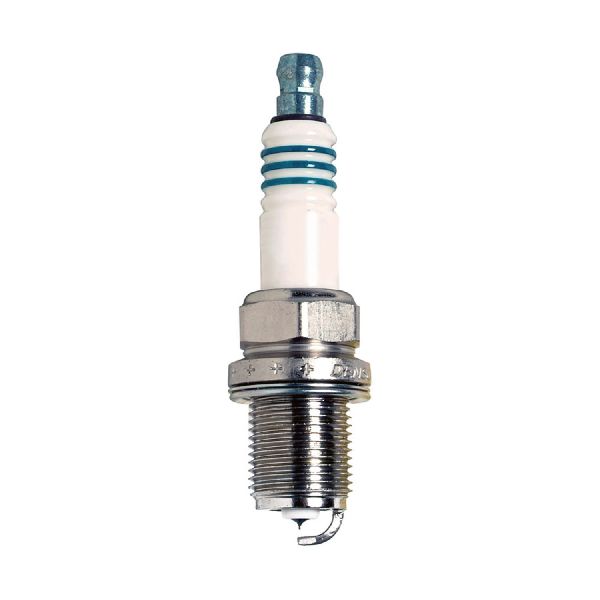

- Spark Plug Iridium Power
- Gap 0.044 Iridium Power - Performance Upgrade with Worlds Smallest Center Electrode (0.4 mm Dia.) & Tapered Tip Patented U-Groove Design & Patented Ir Alloy (90% Ir)
- Spark Plug Iridium Power
- Iridium Power
- Product Attributes:
- Hex Size: 16.0
- Reach: 19.00
- Center Electrode Tip Material: Iridium
- Seat Type: Flat
- Ground Electrode Tip Design: Tapercut, U-groove
- Center Electrode Core Material: Copper
- Ground Configuration: Standard
- Pre-Gap Size: 1.1
- Resistance: 5000
- Ground Electrode Core Material: Nickel
- Increased performance with World's smallest Iridium Center Eletrode (0.4mm).
-
Suggested Purchase Quantity: 6
- Most jobs typically require 6 of this item.
- This item must be purchased in quantities of 4
This Part Fits the Following OEM/Substitute Numbers:
0000-18-F201, 0000-18-F220, 003 159 73 03, 003 159 76 03, 18218200016, 18218200018, 22401-01P16, 22401-02P16, 271636-0, 271766-0, 30 52 0467, 59 58 798, 75 05 142, 8642661-0, 8670058-0, 88 19 294, 90919-01127, 90919-01127-83...VIEW MORE
Additional Fitment Information:
| Vehicle |
|---|
| 1988 - Sterling 825 |

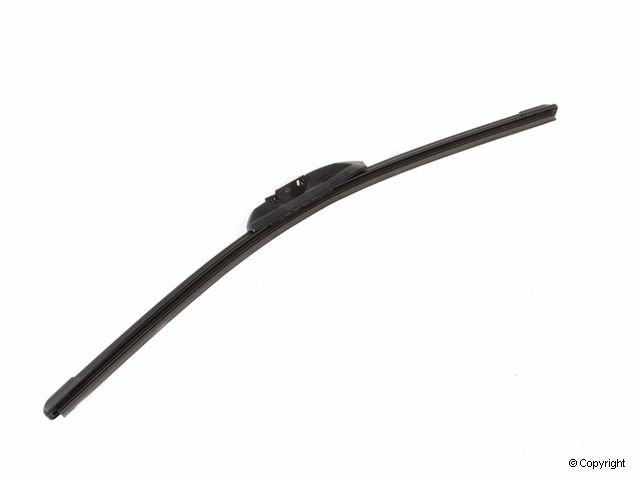

- Bosch Evolution Wiper Blade
- Evolution
- Product Attributes:
- Adapters Included: No
- Quick Connect Hardware Included: Yes
- Frame Color: Black
- Wiper Blade Design: All-season
- Attached Spoiler / Aerofoil: Yes
- Blade Material: Natural Rubber W/graphite
- Heated (Wiper Blade): No
- Blade Type: Beam
-
Features:
- Patented beam technology with dual tension springs provide even force distribution for optimal wiping performance
- Blended natural rubber with graphite treated wiping edge reduces friction and improves wiping durability
- Quick and easy installation with pre-mounted adapter
- An aerodynamic wind spoiler to create a downward force which ensures consistent wiping at high speeds
- Double locking connector provides quick, easy and secure connection
- Pluma Limpiaparabrisas Bosch Evolution
Additional Fitment Information:
| Vehicle | Position |
|---|---|
| 1988 - Sterling 825 | Front |
Showing 1 - 10 of 245 products
Loading...